
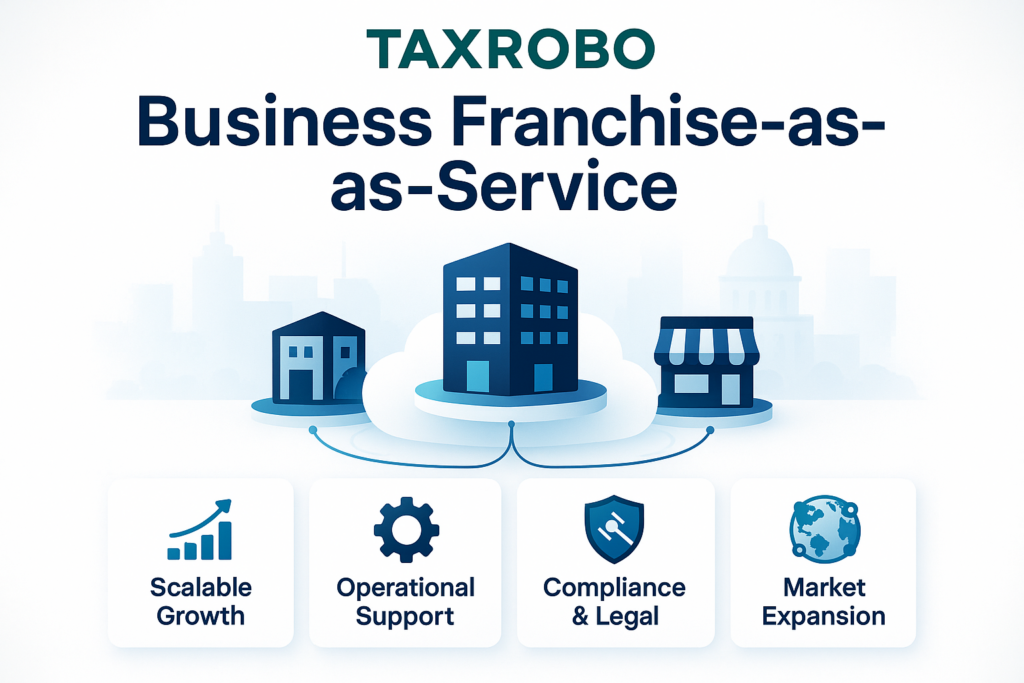

Franchise-as-a-Service: The Ultimate Guide to Launching a Franchise Business in India
Many aspiring entrepreneurs in India share a common dream: to be their own boss and build something successful. However, this dream is often overshadowed by the daunting reality of starting from scratch—the high risk of failure, the complexity of business setup, and the challenge of building a brand from zero. Franchising has long been a time-tested model to lower these risks, but a modern evolution is making it even more accessible. This evolution is “Franchise-as-a-Service” (FaaS), a comprehensive franchise business service designed to provide end-to-end support for your new venture. This guide will walk you through everything you need to know about FaaS and starting a franchise business in India, from understanding the core benefits to navigating the critical legal and financial steps.
What is a Franchise? A Quick Primer for Indian Entrepreneurs
Before diving into the “as-a-service” model, it’s essential to understand the basics of franchising. At its heart, it’s a business relationship between two parties, built on a proven concept. This model allows individuals to operate a business under an established brand name, significantly reducing the uncertainties that come with launching a new, unknown venture.
Franchisor vs. Franchisee
The franchise system involves two key players:
- The Franchisor: This is the owner of the original business, brand, and operating system. They have developed a successful and replicable business model. The franchisor grants a license to another party to use their brand, trademarks, and business methods.
- The Franchisee: This is the individual or entity that buys the license from the franchisor. The franchisee invests their own capital to open and operate a branch of the business in a specific location, following the franchisor’s guidelines.
How the Franchise Model Works
The fundamental transaction is straightforward. The franchisee pays an initial, one-time franchise fee to the franchisor. In return, they receive the right to use the brand name, access to proprietary products or services, a comprehensive operations manual (the “playbook”), and initial training. After the business is up and running, the franchisee typically pays ongoing royalty fees, which are often a percentage of their revenue. These royalties cover continued brand support, national marketing efforts, and access to ongoing training and operational guidance.
Popular Franchise Examples in India
You encounter franchises every day in India, often without realizing it. The model is prevalent across numerous sectors, proving its versatility and success. Some well-known examples include:
- Food & Beverage: Subway, Domino’s Pizza, Giani’s, Baskin Robbins
- Retail: Lenskart, Raymond, FirstCry.com
- Education: Kidzee, EuroKids, T.I.M.E.
- Health & Wellness: Anytime Fitness, VLCC
These brands showcase how a consistent, replicable model can be scaled nationwide, offering entrepreneurs a chance to own a piece of a well-established success story.
The Evolution: Understanding Franchise-as-a-Service (FaaS)
While the traditional franchise model provides a blueprint for success, the modern business landscape demands more. The emergence of Franchise-as-a-Service, or FaaS, marks a significant shift from simply selling a license to providing a holistic, turn-key business solution. This evolution addresses the common pain points that new franchisees face even after signing the agreement.
Beyond the Traditional Model
In a traditional franchise arrangement, the franchisor provides the brand name, training, and operational guidelines. However, the franchisee is often left to navigate the complex maze of setting up the business on their own. This includes tasks like finding the perfect location, dealing with contractors, registering the company, securing dozens of licenses, setting up payment systems, and navigating tax compliance. This hands-off approach can be overwhelming for first-time entrepreneurs and can lead to costly delays and mistakes.
Defining Franchise-as-a-Service
Franchise-as-a-Service is an end-to-end support system where the franchisor or a dedicated service partner actively manages the entire launch process and provides ongoing operational support. This model doesn’t just hand you a playbook; it helps you build the stadium, train the team, and even manage the game-day operations. This is the core of modern franchise-as-a-service solutions in India. The goal is to remove the logistical and administrative burdens from the franchisee, allowing them to focus entirely on customer service and local marketing. A complete franchise business service in India built on the FaaS principle ensures a much smoother and faster path to profitability.
Key Components of FaaS
A robust FaaS offering typically includes a suite of managed services. These components transform the franchise experience from a DIY project into a guided partnership.
- Site Selection & Setup Assistance: Using data analytics and local market knowledge to identify the best location, negotiating leases, and managing the entire store fit-out process from civil work to branding.
- Legal & Financial Onboarding: Expert guidance on choosing the right business structure (Pvt Ltd, LLP), handling company registration, acquiring a Director Identification Number (DIN), and completing GST and other tax registrations.
- Technology & Software Integration: Implementing and managing essential technology like Point of Sale (POS) systems, inventory management software, customer relationship management (CRM) tools, and online ordering platforms.
- Ongoing Operational & Marketing Support: Providing continuous support for day-to-day operations, staff hiring and training, and executing hyperlocal marketing campaigns to drive footfall.
- Supply Chain Management: Establishing and managing relationships with approved vendors to ensure a consistent and reliable supply of raw materials and products at negotiated prices.
Top Benefits of Choosing a Franchise Business Service in India
Opting for a franchise is a strategic decision to mitigate risk and accelerate growth. When this is combined with a comprehensive support system, the advantages multiply. Leveraging franchise services for entrepreneurs offers significant benefits over venturing into the unknown waters of a solo startup.
Reduced Risk with a Proven Blueprint
The most significant advantage is stepping into a business model that is already market-tested and proven to be profitable. You are not experimenting with a new product, service, or pricing strategy. The franchisor has already done the heavy lifting of figuring out what works and what doesn’t. This validated blueprint drastically reduces the risk of business failure, which is notoriously high for new, independent businesses. These franchise system benefits in India provide a safety net that is invaluable for first-time business owners, ensuring your investment is based on a history of success rather than speculation.
Instant Brand Recognition and Marketing Power
Building a brand from scratch can take years and a substantial marketing budget. With a franchise, you instantly inherit a recognized brand name and the customer trust that comes with it. Customers are more likely to try a business they are already familiar with. Furthermore, the franchisor typically manages large-scale national and regional advertising campaigns, creating widespread brand awareness. Your role is to focus on local store marketing and community engagement, leveraging the strong foundation built by the parent company. This powerful combination gives you a competitive edge from day one.
Comprehensive Training and Ongoing Support
Franchisors have a vested interest in your success, as their revenue depends on your performance. Because of this, they provide extensive training programs covering everything from product knowledge and operational procedures to customer service standards and financial management. This support doesn’t end after the launch. You gain access to a powerful support network that includes operations manuals, dedicated field support managers who visit your location, and a community of fellow franchisees who can share best practices and advice. These franchise management services in India ensure you are never alone in your entrepreneurial journey.
Simplified Legal and Financial Compliance
This is one of the most underrated yet crucial benefits, especially in India’s complex regulatory environment. A good franchise business service or FaaS provider helps you navigate the legal and financial maze with ease. They provide clear guidance on:
- Company Structure: Helping you decide whether a Private Limited Company, a Limited Liability Partnership (LLP), or another structure is best for your goals.
- GST Compliance: Ensuring you have the correct GST registration and are filing your returns accurately and on time to avoid heavy penalties.
- Accounting & Reporting: Setting up standardized accounting practices to maintain clean books and provide the franchisor with necessary reports.
TaxRobo specializes in this area, ensuring your business is built on a solid legal and financial foundation. Explore our TaxRobo Company Registration Service and TaxRobo GST Service to see how we can help.
Your Step-by-Step Guide to Starting a Franchise Business in India
Embarking on your franchise journey is an exciting prospect. By following a structured approach, you can navigate the process confidently and make informed decisions. Think of this as your actionable checklist to turn your entrepreneurial dream into a reality.
Step 1: Financial Assessment and Goal Setting
Before you even start looking at brands, you need to look inward. The first step is a thorough self-assessment. Honestly evaluate your financial capacity. How much liquid capital can you invest without over-leveraging yourself? This includes the franchise fee, setup costs, inventory, and at least six months of working capital to cover operational expenses before you break even. Equally important is defining your personal and professional goals. Are you looking for a hands-on, full-time role, or a semi-absentee investment? What industry are you passionate about? Answering these questions will help you filter opportunities and find a franchise that aligns with your financial reality and lifestyle aspirations.
Step 2: Researching Business Franchise Opportunities in India
With your budget and goals defined, it’s time to explore the market. There are numerous avenues to find business franchise opportunities in India. Attend franchise expos, browse online franchise portals like Franchise India or FranchiseBazar, and read industry-specific magazines. As you research, create a shortlist based on key criteria: alignment with your investment level, the growth potential of the industry (e.g., QSR, health, education), the franchisor’s reputation and history, and the level of support they provide. Don’t just fall for a famous name; dig deeper to understand the business model and its profitability.
Step 3: Due Diligence and Legal Vetting
This is arguably the most critical step in the entire process. Once you’ve identified a promising franchise, you must conduct thorough due diligence. The franchisor will provide a Franchise Disclosure Document (FDD), which contains extensive information about the company, its financials, litigation history, and the contact details of existing franchisees. Read this document carefully. Better yet, call several current and former franchisees to get an unfiltered view of their experience. Concurrently, you will receive the Franchise Agreement, which is the legal contract. This is where franchise consulting services for startups and legal experts become invaluable. They can help you understand complex clauses, identify potential red flags, and ensure the terms are fair. A key part of this process is understanding What legal requirements must be met to start a franchise business in India?.
Pro Tip: Never sign a franchise agreement without having it reviewed by a legal expert specializing in business law. This small investment can save you from significant financial and legal trouble down the road.
Step 4: Securing Your Funding
Once you are confident in your choice, you need to finalize your funding. Common sources for financing a franchise in India include personal savings, loans from family and friends, and business loans from banks. Many nationalized and private banks have specific loan products for franchise financing, as they view it as a lower-risk investment compared to a new startup. You can also explore government-backed schemes like the MUDRA Yojana, which provides loans to non-corporate, non-farm small/micro-enterprises. Prepare a detailed business plan to present to lenders, showcasing projected revenues, costs, and profitability. For more information, explore options for a Bank Loan for Startup Business.
Step 5: Completing the Legal Formalities
With funding secured and the agreement signed, you need to build the legal and administrative foundation for your business. This involves several key steps:
- Business Registration: You must register your business as a legal entity. Your choices typically include a Private Limited Company, an LLP, a Partnership Firm, or a Sole Proprietorship. Each has different implications for liability, compliance, and scalability. To learn more, read about Comparing Business Structures: Private Limited, LLP, OPC & More.
- GST Registration: Obtaining a Goods and Services Tax Identification Number (GSTIN) is mandatory for most businesses. You can register through the official GST Portal.
- Other Licenses: Depending on your industry, you will need other licenses. For a food business, an FSSAI license is essential. You may also need a local municipal trade license, a Shops and Establishment Act registration, and more.
Step 6: Location, Setup, and Training
The final phase before you open your doors involves bringing the business to life. Working with the franchisor’s team, you will finalize a location that meets their criteria for visibility, footfall, and demographics. Next comes the setup, which involves interior design, construction, and equipment installation, all according to the brand’s standardized guidelines. During this period, you and your key staff will attend the franchisor’s mandatory training program. This comprehensive training will equip you with the knowledge and skills needed to operate the business successfully from day one.
How TaxRobo Acts as Your Franchise Development Service Partner
While the franchisor provides the business model and brand, you, the franchisee, are responsible for setting up and running a legally compliant and financially sound business entity. This is where the complexities can become overwhelming. TaxRobo steps in as your expert partner, offering comprehensive franchise development services India to handle all the critical financial and legal aspects, allowing you to focus on growth.
Seamless Company Incorporation
Choosing the right legal structure is a foundational decision with long-term consequences for your liability, taxation, and ability to raise funds. Our experts at TaxRobo provide clear guidance on the pros and cons of each entity type—from a Private Limited Company to an LLP. We then manage the entire incorporation process, from obtaining the Director Identification Number (DIN) and Digital Signature Certificate (DSC) to filing all necessary forms with the Ministry of Corporate Affairs (MCA), ensuring a smooth and hassle-free registration.
Expert GST and Tax Compliance
Navigating India’s tax landscape can be a full-time job. Our team of CAs and tax experts ensures your business is 100% compliant from the start. We handle your GST registration, help you understand your tax liabilities, and manage the timely filing of all your monthly, quarterly, and annual returns. Our proactive advisory services help you optimize your tax strategy and avoid any notices or penalties from the tax authorities, giving you complete peace of mind.
Robust Accounting and Auditing
Clear and accurate financial records are the backbone of any successful business. TaxRobo provides professional accounting and bookkeeping services to maintain your books flawlessly. We generate regular financial reports, such as Profit & Loss statements and Balance Sheets, giving you a clear, real-time view of your business’s financial health. We also handle your annual statutory audits, ensuring your financial statements are verified and filed with the Registrar of Companies (ROC) as required by law.
Intellectual Property (IP) Protection
While you operate under the franchisor’s primary trademark, you may develop your own local brand identity or marketing slogans. Protecting these assets is crucial. TaxRobo’s experts can assist you with trademark registration for your unique local branding elements. This ensures that your specific business identity is legally protected from being copied by competitors in your area. You can learn more about our services on our TaxRobo Intellectual Property Service page.
Conclusion
The dream of business ownership in India is more attainable than ever, thanks to the evolution of the franchise model. A modern franchise business service built on the Franchise-as-a-Service (FaaS) principle demystifies entrepreneurship by providing a structured, supported path to success. It combines the proven benefits of franchising—lower risk, instant brand power, and expert guidance—with the hands-on support needed to navigate the complexities of launching a business. While your franchisor gives you the recipe for success, a dedicated financial and legal partner like TaxRobo provides the essential ingredients of compliance and stability. By ensuring your legal structure is sound and your financial foundation is solid, we empower you to focus on what you do best: growing your business and serving your customers.
Ready to take the first step in your franchise journey? Contact TaxRobo’s experts for a free consultation to understand all your legal and financial requirements.
Frequently Asked Questions (FAQs)
Q1. What is the average initial investment for a franchise in India?
A: It varies widely, from ₹2-5 lakhs for small kiosks or service-based franchises to over ₹1 crore for established restaurant brands or large-format retail stores. Your total investment will typically cover the one-time franchise fee, store setup and interior costs, equipment, initial inventory, and working capital for the first few months.
Q2. What are the most important legal documents I need to review?
A: The two most critical documents are the Franchise Disclosure Document (FDD) and the Franchise Agreement. The FDD provides comprehensive background information about the franchisor, including their financial statements, litigation history, and details of the franchise system. The Franchise Agreement is the legally binding contract that outlines the rights and obligations of both you and the franchisor. It’s crucial to have both reviewed by a lawyer.
Q3. Do I need to have prior business experience to buy a franchise?
A: Not always. Many franchisors prioritize passion, dedication, and a willingness to follow the system over direct industry experience. They provide comprehensive training programs designed to equip you with all the necessary operational skills to run the business. However, having basic financial literacy and good people management skills is highly recommended for success.
Q4. How can a comprehensive franchise business service help me succeed?
A: A comprehensive service, like the kind offered by TaxRobo, acts as your business’s backend support system. We handle the complex and time-consuming tasks—company registration, GST compliance, accounting, payroll, and legal paperwork. This frees up your valuable time and mental energy, allowing you to focus on the front-end activities that directly impact your bottom line: managing your team, ensuring excellent customer service, and driving local marketing efforts for growth.