
Hyperlocal Distribution Network: The Ultimate Guide for Indian Businesses
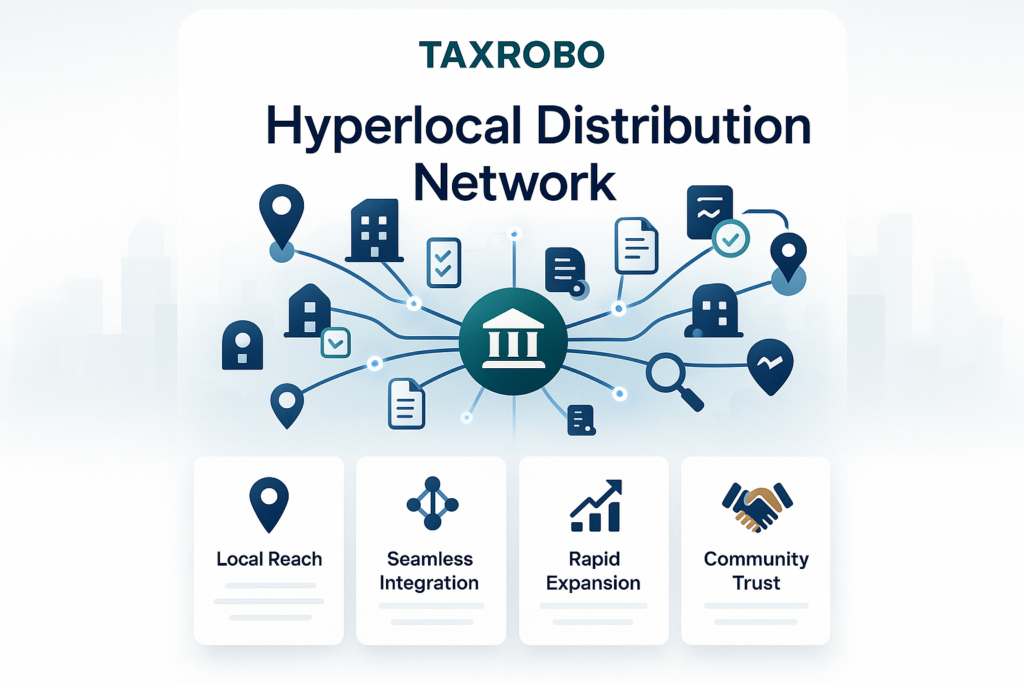
With India’s quick commerce market projected to soar past $5.5 billion by 2025, customer expectations have fundamentally shifted. The era of waiting days for a delivery is over; today’s consumer demands speed, convenience, and near-instant gratification. This paradigm shift has given rise to a powerful business model: the hyperlocal distribution network. In simple terms, this is a logistics ecosystem designed to deliver goods and services to customers within a very small, specific geographic area—often within a couple of hours, or even minutes. This strategy is no longer a luxury reserved for e-commerce giants. It has become an essential lifeline for small and medium-sized enterprises (SMEs), offering a powerful way to enhance customer satisfaction, reduce operational costs, and compete effectively. For modern Indian businesses looking to capture local markets and build lasting customer loyalty, understanding and implementing a hyperlocal distribution network for Indian businesses is not just an option; it’s the future.
Why is a Hyperlocal Distribution Network a Game-Changer for Your Business?
Adopting a hyperlocal model can fundamentally transform your business operations and customer relationships. The benefits of hyperlocal distribution network in India extend far beyond just fast delivery; they touch upon cost efficiency, inventory management, and deep market penetration, creating a robust framework for sustainable growth in a competitive landscape.
Faster Delivery, Happier Customers
In today’s on-demand economy, speed is the ultimate currency. Customers are increasingly willing to pay a premium for faster service, and meeting this demand for instant gratification is a direct path to building unshakable brand loyalty. A hyperlocal network allows you to offer delivery windows as narrow as 30 minutes to 2 hours, turning a standard transaction into an exceptional customer experience. This capability serves as a massive competitive differentiator, especially for businesses in sectors like groceries, pharmaceuticals, food, and local retail. When a customer knows they can rely on you for urgent needs, your brand becomes an indispensable part of their daily life, fostering repeat business and positive word-of-mouth marketing that national competitors struggle to replicate.
Significant Reduction in Logistics Costs
Traditional logistics models involving large, centralized warehouses and long-haul transportation are expensive and complex. A hyperlocal distribution network drastically cuts these costs. By operating within a limited radius (typically 5-10 km), the travel distances are significantly shorter. This directly translates to lower fuel consumption, a major operational expense for any delivery-centric business. Furthermore, routing becomes far less complicated, reducing the need for sophisticated and costly logistics planning software. Shorter transit times also mean a reduced risk of damage to goods, leading to fewer returns and replacements. Compared to the high costs of city-wide or national shipping, which involve multiple sorting centres and handoffs, the hyperlocal model is a lean, efficient, and cost-effective alternative.
Improved Inventory Management and Control
The hyperlocal model encourages the use of decentralized storage solutions like “dark stores” or local fulfilment centres. A dark store is essentially a small, local warehouse that exists solely to fulfil online orders for a specific neighbourhood. This approach allows for incredibly accurate demand forecasting on a micro-level. Instead of stocking a massive central warehouse with products for an entire city, you can stock local hubs with items that are popular in that specific area. This prevents overstocking, reduces capital tied up in slow-moving inventory, and minimizes waste, especially for perishable goods. The result is a more agile inventory system with lower storage costs and a better product-market fit for each locality you serve.
Deeper Penetration into Local Markets
A hyperlocal distribution network is more than a logistics strategy; it’s a community engagement tool. By operating at a neighbourhood level, your business becomes a visible and integral part of the local ecosystem. This proximity allows you to understand the unique needs and preferences of the community you serve, enabling you to offer localized products and promotions that resonate deeply with your customers. You can build personal relationships, gather direct feedback, and establish a strong, trustworthy neighbourhood presence. This level of connection is nearly impossible for large, faceless corporations to achieve, giving your local business a powerful, relationship-driven advantage.
Key Components for Building a Hyperlocal Distribution Network in India
Successfully building hyperlocal distribution networks in India requires a strategic combination of technology, physical infrastructure, and a reliable delivery fleet. Each component plays a crucial role in creating a seamless and efficient system that can meet the high expectations of modern consumers.
The Technology Backbone: Your Order Management System (OMS)
Technology is the central nervous system of any hyperlocal operation. A robust Order Management System (OMS) is non-negotiable. This software platform is responsible for orchestrating the entire delivery process, from the moment a customer places an order to the final confirmation of delivery. It automates tasks that would be impossible to manage manually at scale, ensuring efficiency and accuracy. Key features of a powerful hyperlocal OMS include:
- Real-Time Order Tracking: Allows both the business and the customer to monitor the delivery status via GPS.
- Automated Rider Assignment: Intelligently assigns the nearest available delivery partner to an order to minimize pickup time.
- Route Optimization: Calculates the most efficient delivery routes to save time and fuel, enabling multiple deliveries in a single trip.
- Integrated Payment Gateways: Provides seamless and secure online payment options for customers.
- Customer Communication Tools: Sends automated SMS or push notifications about order status (e.g., “Order Confirmed,” “Out for Delivery”).
- Analytics and Reporting Dashboard: Offers insights into key metrics like delivery times, order volumes, and customer feedback to help you optimize operations.
Local Fulfilment Centers or ‘Dark Stores’
Unlike traditional retail, hyperlocal delivery thrives on speed, which requires inventory to be stored as close to the end customer as possible. This is where local fulfilment centres, or “dark stores,” come into play. A dark store is a retail location that is not open to the public; its sole purpose is to serve as a mini-warehouse for fulfilling online orders within its designated service area. For a small business, setting this up doesn’t have to be a massive investment. Options include:
- Dedicating a Section of an Existing Store: If you have a brick-and-mortar shop, you can cordon off a part of your backroom or floor space exclusively for online orders.
- Renting a Small, Low-Cost Space: A small godown or commercial space in a residential area can serve as an effective dark store.
- Partnering with Local Kirana Stores: You can collaborate with existing local shops to hold some of your inventory, creating a mutually beneficial partnership.
The Delivery Fleet: In-House vs. Outsourced
Your delivery fleet is the face of your brand, responsible for the final, critical interaction with your customer. You have two primary models to choose from when building your fleet, each with its own set of advantages and disadvantages. Many businesses find success by partnering with established hyperlocal delivery services India.
| Feature | In-House Delivery Fleet | Outsourced (Third-Party Logistics) |
|---|---|---|
| Initial Cost | High (vehicle purchase, insurance, salaries) | Low to None (pay-per-delivery or commission) |
| Control | Complete control over branding, training, and service quality. | Limited control; dependent on the partner’s standards. |
| Scalability | Difficult and slow to scale up or down based on demand. | Highly scalable; easily handle demand spikes or lulls. |
| Management | High overhead; requires managing payroll, schedules, and compliance. | Minimal overhead; the partner handles all fleet management. |
| Brand Representation | Riders are your employees and brand ambassadors. | Riders represent the third-party service, not your brand. |
| Best For | Businesses with high, predictable order volumes and a strong brand focus. | Startups, SMEs, and businesses with fluctuating demand. |
A Step-by-Step Guide to Launching Your Hyperlocal Network
Launching a hyperlocal delivery service requires careful planning and execution. Following a structured approach will help you navigate the legal, technological, and operational challenges effectively.
Step 1: Define Your Service Radius and Product Niche
The golden rule of hyperlocal is to start small and focused. Resist the temptation to serve an entire city from day one. Begin by defining a tight service radius, typically around 5-7 kilometres from your fulfilment centre. This allows you to guarantee fast delivery times and perfect your operations before expanding. Simultaneously, identify a profitable product niche. Conduct local market research to understand what your community needs urgently. Is there a high demand for organic groceries, late-night snacks, essential medicines, or pet supplies? Focusing on a specific niche helps you tailor your inventory, marketing, and service to a target audience, increasing your chances of success.
Step 2: Establish the Legal and Financial Framework
Before you make your first delivery, it is absolutely essential to ensure your business is legally sound and financially compliant. This foundation protects you from future liabilities and builds trust with customers and partners.
- Business Registration: First, you need to register your business as a legal entity. Depending on your scale and ownership structure, you can choose from a Sole Proprietorship, Partnership Firm, Limited Liability Partnership (LLP), or a Private Limited Company. Each structure has different implications for liability, compliance, and funding. TaxRobo’s experts can help you choose the right structure and manage the entire company registration process seamlessly.
- GST Registration and Compliance: Under Indian law, GST registration is mandatory for all e-commerce operators, regardless of their turnover. When you deliver goods locally, you will be dealing with CGST (Central GST) and SGST (State GST). The delivery charges you collect from customers are also considered a service and are typically subject to 18% GST. You must collect this tax, issue proper invoices, and file regular GST returns. For comprehensive guidance and hassle-free filing, it’s wise to consult a professional. You can find official information on the GST Portal.
- Contracts and Agreements: A hyperlocal business involves multiple stakeholders. It is crucial to have legally vetted agreements in place. This includes service agreements with your technology provider, employment or partnership contracts with your delivery riders, and terms of service and privacy policies for your customers. These documents protect your interests and clarify responsibilities for all parties involved.
Step 3: Choose and Implement Your Technology Stack
As discussed, technology is the engine of your hyperlocal network. For small and medium businesses, building a custom app and logistics software from scratch is often prohibitively expensive and time-consuming. A more practical and cost-effective solution is to use a SaaS (Software as a Service) platform. These platforms provide ready-made, customizable solutions for order management, rider tracking, and customer communication on a subscription basis. When evaluating options, look for platforms that are user-friendly, offer robust features, and can integrate easily with your website or point-of-sale (POS) system.
Step 4: Onboard and Train Your Delivery Partners
If you opt for an in-house fleet, your delivery partners are your most important asset. The onboarding process should be thorough.
- Hiring: Conduct background checks and verify driving licenses and vehicle documentation.
- Training: Provide comprehensive training that covers not just how to use the delivery app, but also:
- Customer Service Etiquette: How to greet customers politely and handle inquiries.
- Safety Protocols: Adherence to traffic rules and safe driving practices.
- Proper Handling of Goods: Ensuring packages, especially fragile or perishable items, are delivered in perfect condition.
- Digital Payment Handling: Using QR codes or mobile POS devices for cashless transactions.
Well-trained riders ensure a positive customer experience, which is critical for retention and brand reputation.
Leveraging Third-Party Hyperlocal Distribution Solutions in India
For many businesses, building an entire network from the ground up is not feasible. The good news is that a mature ecosystem of third-party hyperlocal distribution solutions India has emerged to fill this gap. Partnering with these companies allows you to offer fast delivery without the heavy investment in technology and fleet management.
Who are the Key Players?
Several established players offer robust hyperlocal delivery services India tailored for businesses. Some of the most prominent names include:
- Dunzo for Business: Offers on-demand delivery services for all types of businesses, from local stores to large enterprises.
- Shadowfax: A leading B2B logistics platform providing a range of last-mile delivery solutions, including hyperlocal.
- Borzo (formerly Wefast): Specializes in on-demand, same-day delivery services, catering heavily to SMEs.
- Aggregator Platforms: For specific niches like food or groceries, partnering with platforms like Swiggy, Zomato, or Zepto allows you to tap into their existing logistics network and massive customer base.
How to Choose the Right Partner
Selecting the right third-party logistics (3PL) partner is a critical decision. Here is a checklist to help you evaluate your options:
- Pricing Structure: Understand their model clearly. Is it a flat fee per order, a percentage commission, or a monthly subscription? Calculate which model is most cost-effective for your projected order volume.
- Service Level Agreements (SLAs): What are their guaranteed delivery times? Do they offer compensation for delays or failed deliveries? A strong SLA is a sign of a reliable partner.
- Technology Integration: How easily can their system integrate with your website or app? Look for partners that offer simple API integration to automate the process of pushing orders to their system.
- Coverage Area: Confirm that their delivery network comprehensively covers your target neighbourhoods. Don’t assume city-wide coverage means they serve every pin code effectively.
- Customer Support and Reviews: What is their reputation? Check online reviews and ask for references. A partner with poor support can lead to frustrated customers and damage your brand. How do they handle issues like lost packages or customer complaints?
Conclusion
The rise of the on-demand economy has made the hyperlocal distribution network an indispensable strategy for modern Indian businesses. It offers a powerful formula for success by combining the speed of e-commerce with the trust and proximity of a local store. By enabling faster deliveries, significantly reducing logistics costs, and fostering a deeper connection with the local community, this model empowers SMEs to not only survive but thrive against larger competitors. Whether you choose to build your own network from scratch or leverage the expertise of third-party partners, the key is to focus on efficiency, reliability, and an unparalleled customer experience. Embracing this shift will unlock immense potential for growth, enhance customer retention, and solidify your position as a forward-thinking local brand.
Setting up a hyperlocal distribution network involves critical legal and financial steps. To ensure your business is compliant from day one, from company registration to GST filing, connect with the experts at TaxRobo. Let us handle the complexities so you can focus on delivering excellence to your customers.
Frequently Asked Questions (FAQ)
Q1: What is the main difference between hyperlocal and last-mile delivery?
Answer: Last-mile delivery is the final step of any delivery process, from a distribution centre to the end user. A hyperlocal distribution network is a complete ecosystem focused on delivering goods from local stores/sellers to consumers within a very specific, small geographic area, often in under a few hours. All hyperlocal delivery is last-mile, but not all last-mile delivery is hyperlocal. The key differentiators for hyperlocal are the extreme speed and the small, geographically-focused origin and destination points.
Q2: How does GST apply to hyperlocal delivery charges in India?
Answer: Delivery charges collected from the customer are considered a service and are subject to GST, typically at 18%. If you are a GST-registered business, you must collect this tax and file returns accordingly. The specifics can vary based on your business model, such as whether you are operating as an aggregator or using a third-party service. Given the nuances, seeking expert consultation from a firm like TaxRobo’s GST specialists is highly advisable to ensure full compliance.
Q3: Do I need a special license to start a hyperlocal delivery business?
Answer: Besides standard business registrations (like Company Registration and GST), specific licenses may be required depending on what you deliver. For example, delivering food requires an FSSAI license from the Food Safety and Standards Authority of India, and delivering medicines requires a drug license from the relevant state drug control organization. It is crucial to check local municipal regulations for any additional permits, such as a trade license, that may be required to operate in a specific area.
Q4: What are the most cost-effective hyperlocal distribution solutions India for a small Kirana store?
Answer: For a small Kirana store, the most cost-effective approach is often to leverage existing infrastructure rather than building it. Partnering with established aggregator platforms like Dunzo, Swiggy Instamart, or Zepto can be highly effective. These platforms provide the technology, a large customer base, and a ready-made delivery fleet, and you typically pay a commission per order. Alternatively, using on-demand delivery services like Borzo for individual orders offers flexibility without long-term commitments, making it a great starting point.