
The Main Object of Organic Farming & Sustainable Agriculture in India
In recent years, Indian consumers have become increasingly conscious about what’s on their plate. This growing awareness of health and environmental sustainability has cast a spotlight on the often-damaging effects of chemical-intensive agriculture, from soil degradation to contaminated water sources. In this landscape, organic farming emerges not just as an alternative, but as a holistic and powerful solution. The purpose of this guide is to explore the main object of organic farming and demonstrate how its core principles align perfectly with the broader goals of sustainable agriculture in the Indian context. For aspiring agri-entrepreneurs, small business owners looking to enter a green market, and health-conscious consumers, understanding these objectives is the first step towards embracing a healthier and more responsible future.
Decoding the Main Object of Organic Farming
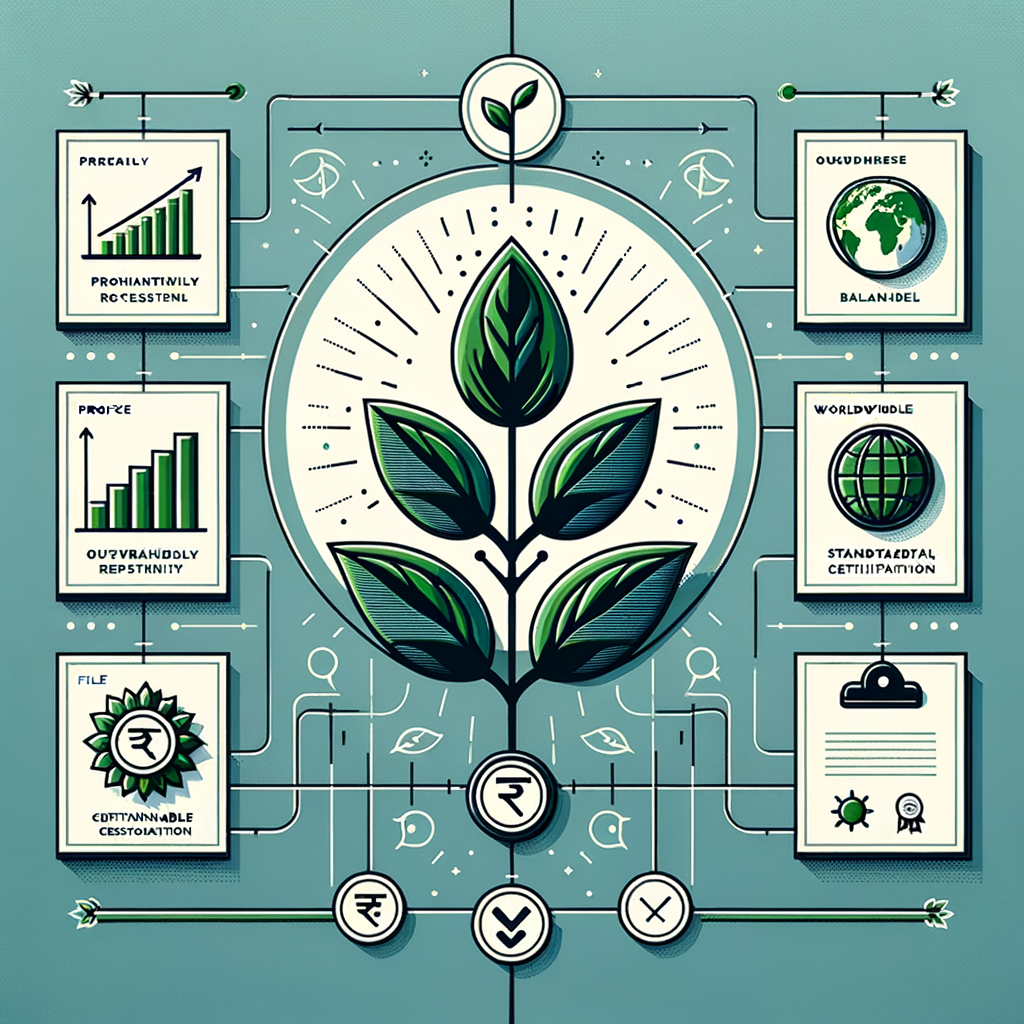
The main object of organic farming isn’t just about avoiding synthetic chemicals; it’s a comprehensive philosophy aimed at creating a balanced, resilient, and self-sustaining agricultural ecosystem. This approach is built on a foundation of respect for nature, working with its cycles rather than against them. It seeks to integrate modern scientific understanding with traditional wisdom to build a system that is productive, environmentally sound, and economically viable for generations to come. The ultimate goal is to foster a relationship of harmony between land, farmers, and consumers, ensuring that the food we produce nourishes both people and the planet. Let’s break down the four primary pillars that define this objective.
To Protect and Enhance Environmental Health
At its core, organic farming is a commitment to environmental stewardship. Instead of depleting natural resources, it aims to actively rejuvenate them. This begins with the soil, which is treated as a living entity, not just a medium for growing plants. Practices like composting, using farmyard manure, and vermicomposting enrich the soil with organic matter, improving its structure, water-holding capacity, and fertility. This fosters a thriving population of beneficial microorganisms that make nutrients available to plants naturally. Furthermore, by eliminating synthetic pesticides and fertilizers, organic farming prevents the chemical runoff that pollutes rivers, lakes, and groundwater. This commitment extends to promoting biodiversity; organic farms are often teeming with life, from earthworms and beneficial insects that control pests to birds that contribute to a balanced ecosystem.
To Ensure Long-Term Food Security and Sustainability
The Green Revolution, while increasing yields, often came at the cost of long-term soil health and environmental balance. The main object of organic farming is to establish a system that guarantees food security not just for today, but for all future generations. It focuses on producing safe and nutritious food without compromising the ecological foundation upon which agriculture depends. By building healthy, resilient soil, organic farms are better equipped to withstand environmental shocks like droughts and floods. This focus on sustainability creates a more stable agricultural system for Indian farmers, reducing their dependence on external, often expensive, inputs. It moves away from a model of extraction to one of regeneration, ensuring that the land remains fertile and productive for centuries.
To Promote Economic Stability for Farmers
A common misconception is that organic farming is less profitable. However, its principles are designed to create long-term economic stability for farmers. The most significant advantage is the drastic reduction in input costs. Farmers are no longer reliant on purchasing expensive synthetic fertilizers, pesticides, and herbicides. Instead, they utilize on-farm resources like crop residues, animal manure, and natural pest control methods. While yields might be slightly lower in the initial transition years, they often stabilize and even improve as soil health is restored. Moreover, the burgeoning market for organic products in India allows farmers to command premium prices for their produce. This combination of lower costs and higher market value creates a more stable, profitable, and self-reliant livelihood, freeing farmers from the debt cycles often associated with conventional agriculture.
To Uphold Human Health and Animal Welfare
Ultimately, the food system exists to nourish people. Organic farming places human health at the forefront by producing food that is free from harmful chemical residues. Consumers can be confident that the fruits, vegetables, and grains they eat are not contaminated with synthetic pesticides or fertilizers, which have been linked to various health issues. This commitment to well-being extends to animal welfare. In organic livestock systems, animals are raised in humane conditions with access to open space, are fed organic fodder, and are not routinely treated with antibiotics or growth hormones. This ethical approach ensures that the entire food chain, from farm to fork, upholds a standard of care and respect for all living beings.
Key Organic Farming Methods in India
Achieving the goals of organic farming requires specific techniques that work in harmony with nature. These methods are not just practices but a reflection of the organic philosophy of closing nutrient loops and fostering natural cycles. Here are some of the most common organic farming methods in India that bring these principles to life.
Composting and Vermicomposting
Composting is the art of turning organic waste—like crop residues, kitchen scraps, and animal manure—into a dark, nutrient-rich soil amendment known as compost or “black gold.” This controlled decomposition process creates a perfect natural fertilizer that improves soil structure and feeds beneficial microorganisms. Vermicomposting takes this a step further by using specific species of earthworms to break down organic matter. The resulting worm castings are an even more potent fertilizer, packed with essential nutrients and growth-promoting substances that are readily available to plants.
Crop Rotation and Intercropping
These are intelligent farming strategies that mimic the diversity of natural ecosystems. Crop rotation involves planting different types of crops in the same area in sequential seasons. For example, a farmer might plant a nitrogen-fixing legume like moong dal one season, followed by a heavy-feeding crop like wheat the next. This practice naturally replenishes soil nutrients, breaks pest and disease cycles, and improves soil health. Intercropping is the practice of growing two or more crops together in the same field. A classic Indian example is growing maize with a climbing bean and a ground-covering squash, which maximizes land use, provides natural pest control, and creates a more resilient system.
Green Manure and Mulching
Green manure refers to the practice of growing specific fast-growing plants, often legumes like sunn hemp (sanai) or dhaincha, and then tilling them back into the soil before they reach full maturity. As these plants decompose, they release valuable nutrients, particularly nitrogen, and add significant organic matter, dramatically improving soil fertility. Mulching involves covering the soil surface around plants with a layer of organic material like straw, leaves, or grass clippings. This simple yet effective technique helps conserve precious soil moisture by reducing evaporation, suppresses weed growth, regulates soil temperature, and adds organic matter to the soil as it breaks down.
Biological Pest Control
Instead of relying on chemical warfare against pests, organic farming employs a strategy of ecological balance. Biological pest control uses natural predators, parasites, or pathogens to manage pest populations. This includes introducing or encouraging beneficial insects like ladybugs (which feed on aphids) and lacewings. It also involves using plant-based repellents and pesticides, with neem oil being a cornerstone of Indian organic farming for its effectiveness against a wide range of pests. Farmers also use bio-pesticides derived from naturally occurring microorganisms like Bacillus thuringiensis (Bt) to target specific pests without harming humans, wildlife, or beneficial insects.
The Business of Green: Launching an Organic Venture in India
The growing consumer demand for organic and healthy products presents a significant business opportunity for entrepreneurs in India. The shift in lifestyle and food habits has created a robust market waiting to be tapped. Here’s how you can leverage the benefits of organic farming in India from a commercial perspective and build a successful green enterprise.
Government Support and Schemes
The Indian government has recognized the potential of organic farming and has launched several initiatives to promote it. Aspiring entrepreneurs should be aware of what government schemes support business startups and funding in India to gain financial and technical support.
- Paramparagat Krishi Vikas Yojana (PKVY): This scheme promotes cluster-based organic farming and provides financial assistance to farmers for everything from certification to marketing. It encourages farmers to adopt traditional, eco-friendly farming concepts. For more details, you can visit the PGS-India Portal.
- National Project on Organic Farming (NPOF): NPOF is focused on the production of organic fertilizers, capacity building, and developing standards for organic inputs. It plays a crucial role in creating the necessary infrastructure and knowledge base for the organic sector.
Company Registration and Legal Structure
Before you start selling, it’s essential to establish a proper legal entity for your business. The structure you choose will impact your liability, taxation, and ability to raise funds.
- Sole Proprietorship: Simple to start with minimal compliance, but offers no liability protection.
- Limited Liability Partnership (LLP): A good balance between a partnership and a company, offering limited liability to its partners.
- Private Limited Company: The most preferred structure for startups and businesses looking to raise funds, as it offers limited liability and is seen as a more credible entity. Choosing the Right Legal Structure for Your Business is a critical first step.
Choosing the right structure is crucial for liability and funding. TaxRobo can help you with seamless company registration.
Understanding GST and Tax Compliance
Tax compliance is a critical aspect of running any business. In the organic sector, GST rules vary based on the level of processing.
- GST Exemption: Most unprocessed agricultural produce, such as fresh fruits, vegetables, and grains, is exempt from GST. This is a significant advantage for farmers selling directly.
- GST Applicability: However, once these products are processed—for example, turned into organic flour, cold-pressed oils, jams, or packaged snacks—they attract GST. The applicable GST rate will depend on the product’s HSN code. Businesses involved in selling processed organic goods must obtain GST registration and ensure timely filing of returns. Our Ultimate Guide to GST Registration for Small Businesses can help you navigate this process.
Organic Certification in India
To build consumer trust and gain access to premium markets, getting your products certified is non-negotiable. In India, the National Program for Organic Production (NPOP) sets the standards for organic production and certification. The NPOP standards are recognized by the European Union and Switzerland, which opens up export opportunities. The process involves a third-party inspection of your farm and processes to ensure you comply with all organic standards. The “India Organic” logo is the mark of a genuinely certified product. For detailed guidelines, refer to the official APEDA website.
The Bigger Picture: Sustainable Agriculture Practices in India
Organic farming is a vital and powerful component of a much broader movement: sustainable agriculture practices in India. This holistic approach seeks to create a food system that balances three key pillars: environmental health, economic profitability, and social equity. It’s about designing farms that are resilient, productive, and beneficial for the entire community.
Integrated Farming Systems (IFS)
Integrated Farming Systems are a brilliant example of sustainability in action. This model combines different agricultural activities—such as crop cultivation, livestock rearing, poultry, and aquaculture—in a way that they support each other. For instance, the waste from livestock can be used as manure for crops, and crop residues can be used as fodder for the animals. In a paddy-cum-fish culture system, fish are raised in the rice paddies, where they help control pests and weeds while their waste fertilizes the rice. This creates a symbiotic, zero-waste ecosystem that improves farm productivity and provides multiple income streams for the farmer.
Water Conservation Techniques
Water is a critical and increasingly scarce resource in India. Therefore, water conservation is at the heart of sustainable agriculture for Indian farmers. Instead of flood irrigation, which is highly wasteful, sustainable practices promote micro-irrigation methods. Drip irrigation delivers water directly to the plant roots, minimizing evaporation and saving up to 70% of water. Sprinkler systems mimic natural rainfall and are efficient for a variety of crops. Furthermore, techniques like rainwater harvesting, creating farm ponds, and practicing mulching help capture and retain every precious drop of water, making farms more resilient, especially in arid and semi-arid regions.
Promoting Local and Indigenous Crop Varieties
For centuries, Indian farmers cultivated thousands of indigenous crop varieties that were perfectly adapted to their local environments. Sustainable agriculture advocates for the revival and promotion of these native seeds. These traditional varieties are often more resistant to local pests and diseases, better adapted to specific climatic conditions (like drought or salinity), and require fewer external inputs. By promoting agrobiodiversity and preserving this genetic heritage, we not only make our food system more secure and resilient but also preserve the unique flavors and nutritional profiles of our traditional foods.
Conclusion
In essence, the main object of organic farming extends far beyond the farm gate. It is a comprehensive vision for a future where agriculture nourishes our bodies, revitalizes our environment, and provides dignified livelihoods for our farmers. By focusing on soil health, biodiversity, and natural cycles, it lays the groundwork for a truly sustainable food system. For entrepreneurs and business owners, this shift presents a golden opportunity to build a brand that is not only profitable but also purposeful. By aligning with the principles of sustainability, businesses can meet the growing consumer demand for clean, ethical, and healthy products, creating lasting value for themselves and society.
Ready to cultivate your own sustainable business? Whether you’re planning an organic farm-to-fork venture or need help with GST compliance for your agri-business, TaxRobo is here to guide you. Contact us today for expert assistance with company registration, tax filing, and more!
Frequently Asked Questions (FAQs)
Q1: What is the main difference between organic farming and conventional farming in India?
A: The primary difference lies in the inputs used. Organic farming strictly relies on natural methods like compost, manure, crop rotation, and biological pest control to maintain soil fertility and manage pests. Conventional farming, on the other hand, frequently uses synthetic inputs like chemical fertilizers, pesticides, herbicides, and Genetically Modified Organisms (GMOs) to maximize yield.
Q2: What are the primary benefits of organic farming in India for a small business owner?
A: For a small business owner, the key benefits are multi-fold. They include significantly lower input costs (no need to buy expensive chemicals), access to a rapidly growing premium market where consumers are willing to pay more for certified products, eligibility for various government subsidies under schemes like PKVY, and the opportunity to build a strong, trusted brand rooted in quality and sustainability.
Q3: Is certification mandatory to sell organic products in India?
A: To legally label, market, and sell your products as “Organic,” you must be certified under the National Program for Organic Production (NPOP). This certification, validated by an accredited agency, assures consumers that your products adhere to the stringent national standards for organic farming. Selling uncertified products with an organic claim can lead to penalties.
Q4: How do sustainable agriculture practices help Indian farmers in the long run?
A: Sustainable agriculture practices are crucial for the long-term viability of Indian farming. They improve and preserve soil health, which is the farmer’s most valuable asset. They reduce the dependency on costly and market-volatile external inputs like chemical fertilizers, thereby lowering the cost of cultivation. Furthermore, by conserving water and promoting biodiversity, these practices make farms more resilient to the impacts of climate change, ensuring stable profitability and food security for future generations.